

Apple MacBook: Is it worth buying the MacBook Pro 2019 in 2026? The MacBook Pro 2019 is still used in 2026, but how does it compare to Apple’s latest M4-powered laptops? Apple launched the beast MacBook 2019 model back in 2019. Of course, I do not need to mention 2019, but just to catch your attention, I’m saying this. And in comparison, we will compare all the latest models from 2020, 2021, and 2026 as soon as it launches.
Apple MacBook 2019 Review in 2026:

With the latest Intel Core processors, the MacBook Pro 2019 achieves new levels of computational efficiency. The 15-inch model now includes an 8-core Intel Core i9 CPU of the ninth generation, with Turbo Boost speeds of up to 5.0GHz. This results in a 40% faster return rate than the previous generation of 6-core processors and a maximum of 3D graphics programs, such as Autodesk Maya, than a quad-core processor. And the new 13-inch MacBook Pro eighth-generation quad-core CPU is ready for even the most difficult tasks. So, whether you work on high-level processing activities like code creation, 3D model rendering, unique effects creation, multiple track layering, or video encoding, you must do everything. More rapidly.
MacBook Pro 2019 GPU
The 15-inch MacBook Pro features an independent Radeon Pro GPU with outstanding power and energy efficiency. Furthermore, we pair each stand-alone GPU with 4 GB of standard GDDR5 RAM to deliver real-time smooth performance in even the most complicated jobs, such as producing 3D films in Final Cut Pro X. The 13-inch model, for its part, features a strong integrated graphics processor with 128 MB of DRAM, which is double the previous generation and speeds up operations that need graphical resources. That way, you’ll have more time to focus on what matters most: doing an outstanding job.
Touch Bar
The Touch Bar now replaces the function keys that have long dominated the top of your keyboard on all MacBook Pro models. It dynamically moves based on what you do to show you relevant instruments such as easy-to-use volume and brightness control systems, interactive content adjustment or navigation, and smart typing functions like emoji and predictive text, to mention a few.
Tap it. Hold it. Flick it. Slide it.
Macbook 2019 vs 2020 Review

The 2019 versions came standard with a 1.4 GHz quad-core Intel Core i5 CPU with a Turbo Boost rate of 3.9GHz and another quad-core Core i5 processor with 2.4GHz and 4.1GHz base and boosted clocks. There was also the option of using a 1.7GHz quad-core Intel Core i7 with a 4.5GHz boosted clock speed and a 2.8GHz quad-core Core i7 having Turbo Boost up to 4.7GHz.
The processors for 2019 were all 8th gen Coffee Lake CPUs. In 2020, there will be a mix of 8th-generation and 10th gen processors, distributed in between the 2 types.
Macbook 2019 vs 2021 Review
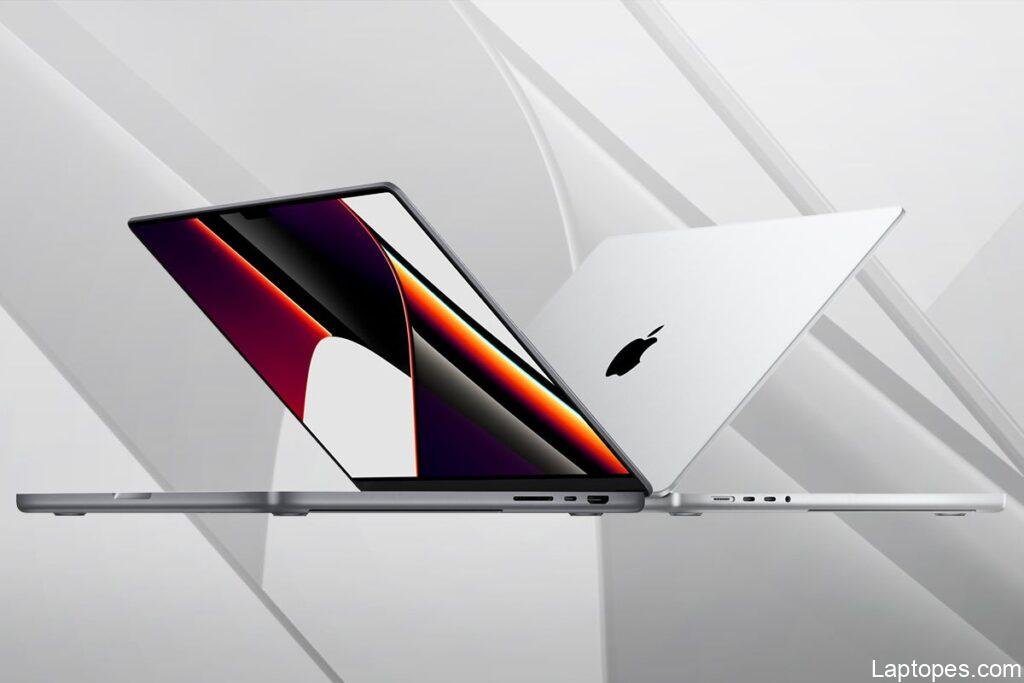
The latest 16-inch MacBook Pro 2021 claims to be a transportable workplace monster. You can get a lot of performance & power with the M1 Pro or M1 Max. Furthermore, if you do have the funds, you can purchase a 10-core CPU, 32-core GPU, and 64GB of RAM, which are all extremely elevated specifications if your workload requires it.
According to all indicators, the latest 16-inch MacBook Pro 2021 could outperform the 2019 model in terms of performance, especially if you pay the extra bucks to enhance the components to your taste. The MacBook Pro 2021, on the other hand, has never been more costly. And, while there are many things to enjoy about the new MacBook Pro design, the notch at the top of the screen hasn’t been well-received by the general public.
GPU & Graphics Comparison: 2019 vs M1/M2/M3/M4 Models
When comparing the graphics capabilities of the 2019 MacBook Pro to Apple’s later Silicon-based models, the shift from discrete AMD GPUs to integrated Apple-designed GPUs marks a significant evolution in efficiency, performance, and power management. The 2019 model relied on dedicated AMD Radeon Pro chips, which were power-hungry but capable for their era, especially in professional workloads like video editing and 3D rendering. In contrast, the M-series chips integrate the GPU on a unified SoC (system-on-chip), enabling better thermal efficiency, shared memory, and hardware-accelerated features like ray tracing starting with the M3. This results in superior sustained performance without the throttling issues common in the Intel-era MacBooks.
To quantify the differences, we’ve compiled the table below using Geekbench 6 Metal scores (a standard GPU benchmark for macOS) for base configurations where possible. These scores reflect single-precision floating-point performance, with higher numbers indicating better graphics prowess. Real-world tests (e.g., Adobe Premiere exports or Blender renders) show the M4 delivering 2-3x faster results than the 2019 model in optimized apps, thanks to Metal API optimizations and AV1 decoding support.
| Model | GPU Chip | Core Count | Memory (Dedicated/Shared) | Geekbench Metal Score (Approx.) | Key Notes |
|---|---|---|---|---|---|
| MacBook Pro (2019, 16″) | AMD Radeon Pro 5500M | 24 Compute Units | 8GB GDDR6 (Dedicated) | 32,000-35,000 | Discrete GPU excels in raw compute but draws 60-100W, leading to heat; supports external eGPUs via Thunderbolt. |
| MacBook Pro (2020, M1) | Apple M1 Integrated | 8 GPU Cores | Up to 16GB Unified (Shared) | 21,000-25,000 | First Apple Silicon; efficient for 4K video but lags in ray-traced gaming; 30% faster than 2019 in optimized tasks. |
| MacBook Pro (2022, M2) | Apple M2 Integrated | 10 GPU Cores | Up to 24GB Unified (Shared) | 38,000-42,000 | Improved architecture with media engine; 50% uplift over M1 in GPU-bound exports; better for Final Cut Pro. |
| MacBook Pro (2023, M3) | Apple M3 Integrated | 10 GPU Cores | Up to 24GB Unified (Shared) | 42,000-48,000 | Dynamic caching and mesh shading; 20% faster than M2; first with hardware ray tracing for pro apps like Octane. |
| MacBook Pro (2024, M4) | Apple M4 Integrated | 10 GPU Cores | Up to 32GB Unified (Shared) | 50,000-55,000 | AV1 encode/decode, enhanced ray tracing; 25% faster than M3 in Blender; ideal for AI-accelerated graphics in 2026 workflows. |
Battery Life: 2019 MacBook vs Latest Apple Laptops
Battery life has been one of the most transformative upgrades in Apple’s MacBook lineup since the 2019 Intel-based models, thanks to the power efficiency of Apple Silicon. The 2019 MacBook Pro (16-inch) promised up to 10 hours of wireless web browsing or video playback under ideal conditions, but real-world usage—especially with its discrete GPU engaged for graphics-intensive tasks—often dipped to 6-8 hours. This was exacerbated by the butterfly keyboard’s power draw and the Intel Core i9’s high idle consumption, making it less ideal for all-day unplugged work. In contrast, the shift to M-series chips in 2020 models integrated power management at the silicon level, dramatically extending runtime while maintaining performance.
By 2022’s M2 MacBook Pro, battery life improved to 18-20 hours for mixed productivity, a 50-80% gain over the 2019 model, with minimal throttling. The 2023 M3 pushed this further to 20-22 hours, incorporating better display efficiency and adaptive refresh rates. Now, in 2026, the M4 MacBook Pro (14-inch base) achieves up to 24 hours of video playback or 18-20 hours of heavy creative work like 4K editing, per Apple’s claims and independent tests from sites like MacRumors. The 16-inch M4 Pro variant hits 22 hours even under load, thanks to a 100Wh battery and optimized Neural Engine for background tasks. For users upgrading from 2019, this means ditching the constant charger hunt—modern models can handle a full workday plus evenings without compromise, though the 2019 still edges out in raw capacity (100Wh vs. 70Wh in smaller chassis) if you’re okay with shorter effective use.
macOS Compatibility: Sequoia & Beyond
The 2019 MacBook Pro remains a solid contender for macOS updates as of January 2026, fully supporting macOS Sequoia (version 15.x), which Apple released in September 2024 and continues to refine with security patches through early 2026. Sequoia brings features like enhanced Apple Intelligence (AI writing tools and image generation), iPhone Mirroring, and window tiling that run smoothly on the 2019’s Intel architecture, provided you have at least 8GB RAM and an SSD upgrade if needed. Installation is straightforward via Software Update, and performance is snappy for everyday tasks, though graphics-heavy AI features may feel sluggish compared to Silicon models due to Rosetta 2 translation overhead.
Looking ahead, the 2019 model is confirmed compatible with macOS 16 (codenamed Tahoe, released fall 2025), which introduces deeper AI integration, improved Safari privacy, and potential AR/VR toolkit expansions. AppleInsider and Reddit discussions from mid-2025 indicate that macOS 16 drops support for 2018 MacBook Pros but retains 2019 and later Intel models, alongside all M-series. However, by macOS 17 (expected fall 2026), support may end for 2019 Intel Macs entirely, shifting exclusively to Apple Silicon for features like full hardware-accelerated Apple Intelligence and advanced security enclaves. If longevity is key, sticking with 2019 means enjoying Sequoia and Tahoe’s core updates for another 1-2 years, but plan for an upgrade by 2027 to avoid obsolescence. For now, it’s a budget-friendly way to access modern macOS without immediate hardware refresh.
Key Differences: 2019 vs 2022–2026 Models
The MacBook Pro has evolved dramatically from the 2019 Intel model to the 2022-2026 Apple Silicon era, prioritizing efficiency, integration, and future-proofing over incremental hardware tweaks. At its core, the 2019’s Intel Core i7/i9 processors (up to 8 cores) pale against the M2/M3/M4’s unified architecture, delivering 3-5x faster multi-core performance in benchmarks like Cinebench while sipping half the power—translating to seamless 8K video exports that once choked the older chip. Graphics shifted from discrete AMD cards to on-chip GPUs with hardware ray tracing (M3+), enabling pro creators to handle complex 3D scenes without external GPUs, a staple for 2019 users.
Design-wise, 2022’s redesign ditched the controversial butterfly keyboard for scissor-switch Magic Keys, added a notch webcam (1080p vs. 720p), and revived MagSafe charging, ports like HDMI/SDXC, and the fanless option in Air variants—features absent or limited in 2019. Displays upgraded from 500-nit Retina to 1600-nit Liquid Retina XDR with ProMotion (120Hz), making scrolling buttery smooth and HDR editing vivid. Ports expanded too: 2019’s four Thunderbolt 3 suffice for basics, but 2022+ adds USB4/Thunderbolt 4 speeds up to 40Gbps and native HDMI 2.1. Thermals improved across the board, with M4 models running cooler under load than the notoriously hot 2019 i9 configs. In 2026, the ecosystem ties tighter with seamless Continuity across iPhone/iPad, but 2019 holds its own for legacy Windows Boot Camp (lost in Silicon). Overall, if you’re on 2019, the jump feels revolutionary for pros; casual users might notice subtler gains in app launches and battery.
Should You Buy MacBook Pro 2019 in 2026?
In 2026, the MacBook Pro 2019 remains a tempting budget pick for students, light professionals, or secondary machines, especially at used prices dipping to $500-800 for 16-inch configs with 16GB RAM—half the cost of an entry M4 Air. Pros include its expansive 16-inch display (still sharp at 3072×1920), robust port selection (four Thunderbolt 3, headphone jack), and upgradeable storage/SSD swaps, making it more flexible than sealed Silicon models. It handles macOS Sequoia flawlessly for web browsing, Office apps, and even casual photo editing, with the Radeon Pro GPU punching above its weight for older games or Adobe suites via eGPU support. If you’re in a Windows-heavy workflow or need expandability without premium pricing, it’s a no-regrets entry to the Mac ecosystem.
That said, cons loom large for forward-thinking buyers: diminishing OS support (macOS 17 likely its swan song), thermal throttling during sustained loads, and mediocre battery (6-8 hours real-world) make it feel dated next to M4’s 20+ hours and silent operation. Apple Intelligence features are gated or emulated via Rosetta, lacking the native zip of Silicon, and repair costs for butterfly keyboards or logic boards can balloon. Reddit threads and YouTube reviews from 2025 echo this—many call it “the worst MacBook” for reliability, urging skips unless discounted heavily. Verdict: Buy if your needs are basic and cash is tight; otherwise, stretch for a refurbished M2/M3 (under $1,000) for longevity and efficiency that lasts through 2030. In a sea of AI-driven updates, the 2019 is a capable relic, not a future-proof investment.
Which Apple MacBook should you buy in 2026
In 2026, the Apple MacBook lineup has never been more refined, with the M4 chip powering seamless performance across the board, but your choice boils down to needs and budget—don’t chase the 2019 relic when Silicon magic awaits. For the vast majority of users—from students juggling Zoom calls and essays to professionals handling spreadsheets and light editing—the 13-inch or 15-inch MacBook Air M4 stands as the undisputed sweet spot, delivering blistering speed, up to 22 hours of battery life, a featherlight 2.7-pound chassis, and a starting price around $999 that’s now even more enticing with recent $100 discounts and doubled base RAM. Its fanless design keeps things whisper-quiet, and with macOS Tahoe’s AI smarts running natively, it’s future-proof for everyday workflows without the Pro’s overkill.
Power users and creators, however, should spring for the 14-inch MacBook Pro M4 (or M4 Pro for $1,999+), where the Liquid Retina XDR display’s 1,600 nits of HDR brilliance, Thunderbolt 5 ports, and GPU prowess crush 4K timelines in Final Cut or complex renders in Blender—outpacing even the M3 by 20-30% in pro apps. Skip refurbished 2019 models unless you’re on a shoestring under $600 for basics; they’re Sequoia-compatible but throttled by Intel inefficiencies and looming end-of-support. Ultimately, snag an Air M4 today amid low prices before rumored M5 OLED refreshes later this year inflate costs—Apple’s ecosystem thrives on thoughtful picks, not impulse buys.
Find More Best laptops for Windows 11.